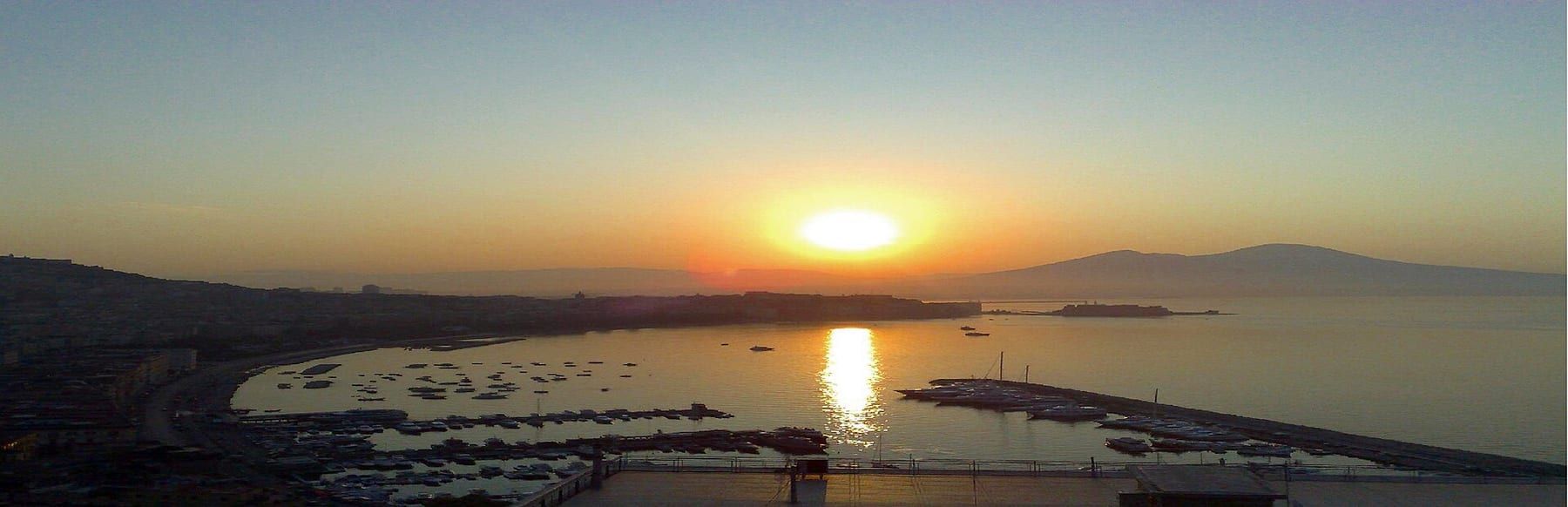
When to visit Naples depends on what you want to do: the city itself works twelve months a year, with mild winters and rain concentrated between October and February. It’s the day trips that make the difference. Pompeii at two in the afternoon in July is an endurance test; the Blue Grotto often doesn’t open in November; swimming at the Gaiola has to be booked from May to September. The short answer: April–June and September–October. The long one is below, month by month, with the official climate data and the dates that change your plans. Partner prices verified regularly.
Naples weather month by month
The figures are the 1971–2000 climate averages for the Napoli Capodichino station, published in the Climate Atlas of the Italian Air Force Meteorological Service. Actual temperatures in recent years are generally 1–2 degrees higher in summer.
| Month | Avg high | Avg low | Rain (mm) | Rainy days | Sea | What to do |
|---|---|---|---|---|---|---|
| January | 13 °C | 4 °C | 92 | 9 | No | Museums, nativity scenes, Pompeii without crowds |
| February | 13.5 °C | 4.5 °C | 95 | 9 | No | The city, Carnival, low prices |
| March | 16 °C | 6 °C | 78 | 9 | No | Pompeii and Herculaneum, Caserta |
| April | 18 °C | 8 °C | 99 | 9 | No | Vesuvius, Amalfi Coast, crowded Easter |
| May | 23 °C | 13 °C | 59 | 6 | First swims | Everything: the best month |
| June | 27 °C | 16 °C | 33 | 3 | Yes | Capri, islands, Gaiola |
| July | 30 °C | 19 °C | 29 | 2 | Yes | Sea, Pompeii only in the morning |
| August | 30 °C | 19 °C | 36 | 4 | Yes | Packed islands, empty city at Ferragosto |
| September | 27 °C | 16 °C | 89 | 6 | Yes | The second-best month, San Gennaro |
| October | 22 °C | 12 °C | 136 | 9 | Until mid-month | Day trips, Vesuvius, falling prices |
| November | 17 °C | 8 °C | 152 | 10 | No | The wettest month: museums and underground |
| December | 14 °C | 6 °C | 112 | 10 | No | Christmas, nativity scenes, San Gennaro on the 16th |
Autumn rain comes in short, violent downpours, not grey days; November has 10 rainy days but also plenty of sunny ones. In summer the days above 30 degrees average 15 in July and 18 in August.
When to swim
The water in the gulf is warm enough from mid-June to the end of September; May and the first half of October are fine on sunny days for anyone who doesn’t mind water around 18–20 degrees (an indicative figure, in line with the typical climatological averages for the gulf, not an official measurement). The lidos at Posillipo and Bagnoli generally open in late May and close in September. The Gaiola protected marine area applies its summer regime, with compulsory online reservation and sessions 9:00 am–1:00 pm and 2:00–6:00 pm, from May to September; the rest of the year you enter with registration, up to 200 people (areamarinaprotettagaiola.it).
September is the month to choose for the sea: water at August temperatures, beaches half empty after the 10th, hydrofoils to the islands with no queues. All the options for swimming in the city and on the islands are in the guide to the beaches.
Vesuvius and Capri: the seasonality that matters
Vesuvius. The Gran Cono path is open all year, with crater access hours that follow the seasons (parconazionaledelvesuvio.it): 9:00 am–3:00 pm from November to February, 9:00 am–4:00 pm in March and October, 9:00 am–5:00 pm in April, May, June and September, 9:00 am–6:00 pm in July and August. The ticket is online only and for a time slot (€10 full price, €8 reduced, plus fees). During an orange weather alert from the Civil Protection the path closes automatically: this happens mostly between October and March, and the announcement comes the evening before. The best months are April–June and September–October: clear air, no summer haze, bearable temperatures on the gravel. In July and August, go up at 9. Details, shuttles and tours in the guide to Vesuvius.
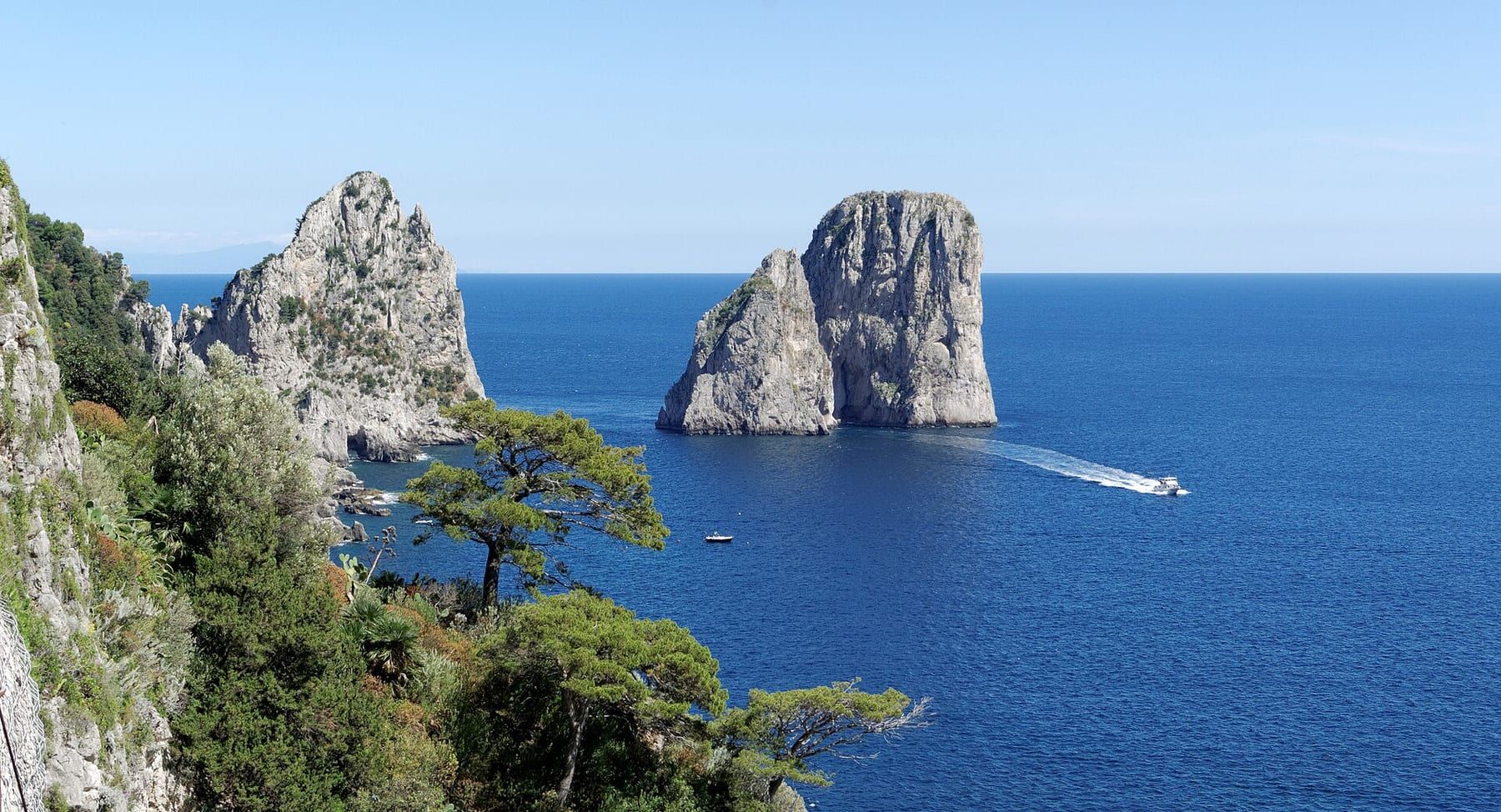
Capri. The island can be visited all year, but the Blue Grotto only opens when the sea is calm and the tide is low: from May to September the odds are good, in winter it often stays closed for days. Hydrofoils from Molo Beverello are frequent from Easter to October and reduced from November to March; the Monte Solaro chairlift and the boat trip depend on the weather. The From Naples: Capri, Anacapri, and Blue Grotto Full-Day Trip (€161.50, 9 hours) should be booked for a day with a calm-sea forecast, keeping a spare day in reserve. Everything in the guide to Capri.
Amalfi Coast. From April to October; the seasonal Naples–Positano–Amalfi ferries generally sail from April to October, and for the rest of the year what’s left is the SS163 by minivan and the Circumvesuviana to Sorrento. See the guide to the Amalfi Coast and Sorrento.
Pompeii in the heat and in the cold
The Pompeii Archaeological Park keeps two timetables (pompeiisites.org): 9:00 am–7:00 pm with last entry at 5:30 pm from 16 March to 14 October, 9:00 am–5:00 pm with last entry at 3:30 pm from 15 October to 15 March. In summer the site has no shade: go in at 9 and stay away from noon to 4 pm, or go in after 4 pm when the groups have left. In winter it’s the perfect visit: few visitors, low light on the streets, but with only eight hours of opening you need to arrive in the morning.
The Pompeii Guided Day Trip with Fast-Track Entry - from Naples (€45.50, 3 and a half hours) runs all year; in high season the morning slot sells out first. On the first Sunday of the month entry to state sites, Pompeii included, is free: you save the ticket price and find three times as many people. DIY versus tour, with prices, in the guide to Pompeii.
San Gennaro, 19 September
On 19 September Naples celebrates its patron saint. At the Duomo in the morning (typically at 10:00 am, with the cathedral open from 7:30 am, according to the Curia’s programme on chiesadinapoli.it) the solemn mass is celebrated during which the faithful wait for the liquefaction of the saint’s blood, kept in its ampoules; the crowd enters the cathedral from the early hours and fills via Duomo and the Decumani for the whole day. The same miracle is awaited on the Saturday before the first Sunday of May (with the procession of the saints’ statues) and on 16 December. If you want to visit the Duomo and the Chapel of the Treasure in peace, choose another day (see palaces, castles and churches). The period around 19 September is also, weather-wise, one of the best of the year: it’s worth making the dates coincide.
Christmas and nativity scenes
From late November to 6 January the city is in nativity-scene mode. Via San Gregorio Armeno with its figurine workshops is crowded from 10 am until the evening, every day; on the weekends of 8 December and before Christmas you move at a crawl. Go on a weekday morning. The lights are on via Toledo and in Chiaia, the historic nativity scenes at the Certosa di San Martino.
The weather is mild (average highs around 14 degrees, lows 5–6) but rainy at times; the days are short and the archaeological sites close at 5 pm. Pompeii and the MANN close on 25 December and 1 January; Herculaneum closes on 25 December and opens on 1 January only by special arrangement: check the calendars on the official websites. For New Year’s Eve, book your hotel well in advance.
Ferragosto and the week around it
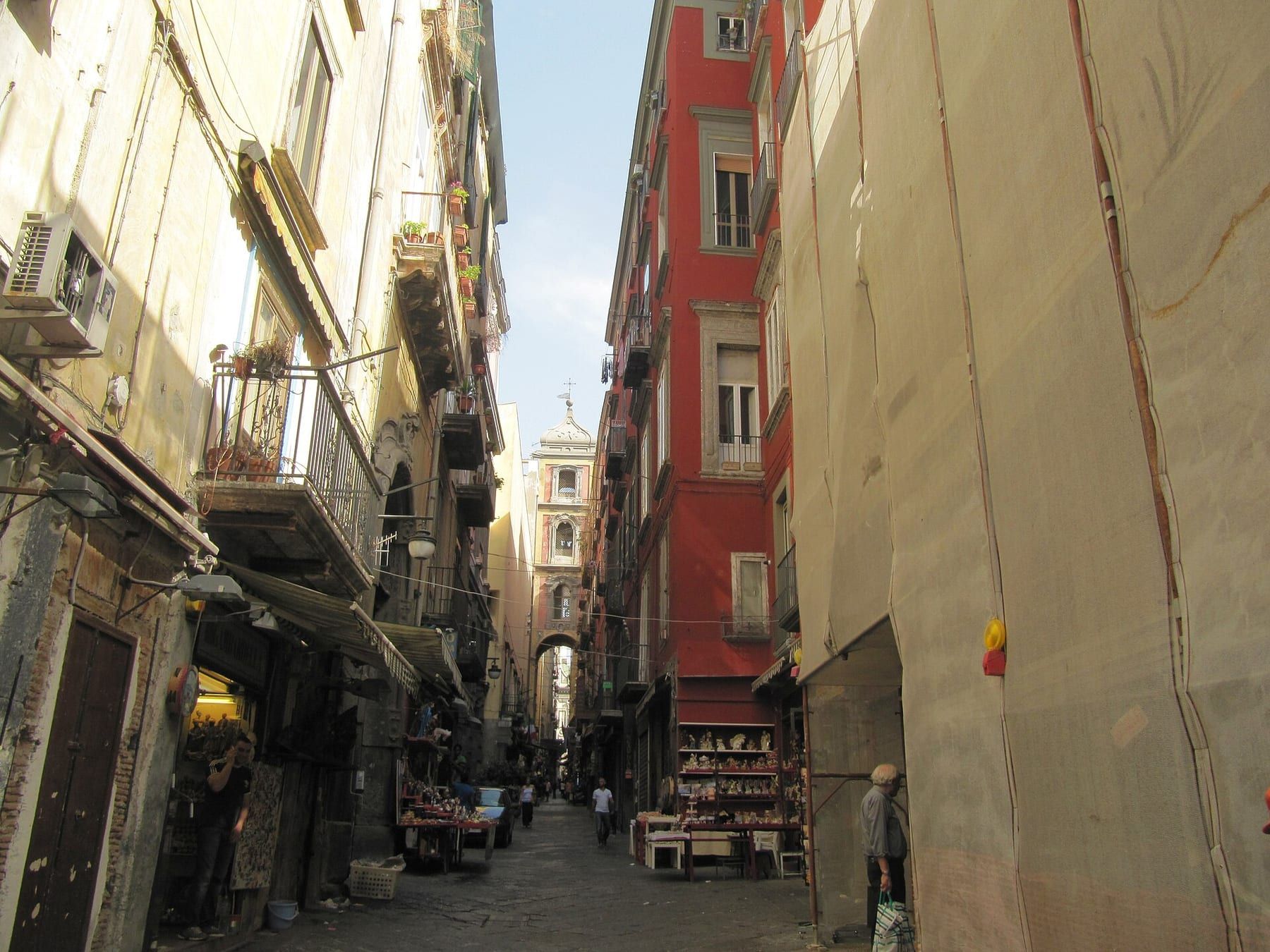
At Ferragosto Naples empties of Neapolitans and fills with tourists: between 13 and 17 August many trattorias, neighbourhood pizzerias and shops in the centre close, while state museums, Pompeii (in the official calendar it closes only on 25 December and 1 January) and public transport keep running on holiday timetables. Islands, the Amalfi Coast and lidos are at their most crowded of the year: hydrofoils to Capri and Ischia need booking days ahead, Posillipo lidos the day before, restaurants in Positano a week before.
If your dates fall then, turn the logic on its head: do the city, empty and quiet, and postpone the islands to a weekday after the 20th. Herculaneum, smaller and shadier, copes better than Pompeii in August.
Crowds and prices: the three seasons
| Period | Crowds | Hotel prices | What changes |
|---|---|---|---|
| High: Easter, April–May long weekends, June–September, 8 December–6 January | Maximum at Pompeii, Capri, Amalfi Coast and San Gregorio Armeno | The highest of the year; New Year and Easter at the top | Book the Sansevero Chapel, Vesuvius and the Blue Grotto days ahead |
| Mid: March, October, first half of November | Manageable everywhere | Lower than summer, weekends excluded | Seasonal ferries to the Amalfi Coast winding down; shorter days |
| Low: January–February, second half of November | Pompeii and museums almost empty | The lowest | Blue Grotto often closed; Vesuvius at risk of alerts; underground and museums ideal |
The Veiled Christ in the Sansevero Chapel sells out its slots days ahead in every season: it’s the first thing to book. Dated Pompeii tickets and Vesuvius time slots run out on spring weekends and from June to September. Comparison and bookings on the tickets page.
Events that move the crowds
- Easter and Easter Monday: a long weekend for Italians, Pompeii and the Amalfi Coast full; many churches with the “sepolcri” displays on Maundy Thursday.
- Maggio dei Monumenti: special openings and guided visits across the city for the whole month; the programme comes out in April on the city council website.
- 1 May and 2 June: national holidays and long weekends; Pompeii has closed on 1 May in past years, check the Park’s calendar (see above).
- First Sunday of the month: state sites free and crowded, all year.
- Festa di Piedigrotta and Pizza Village (summer) and Napoli Teatro Festival: variable dates, check the city calendar.
- Napoli football matches at the Maradona stadium: on match evenings metro Line 2 and the Fuorigrotta district are best avoided by anyone not going to the stadium.
What to pack, by season
- Spring and autumn: layers; a windproof jacket for Vesuvius and the boats, closed shoes for Pompeii and the crater, a folding umbrella from October.
- Summer: hat, water bottle (Pompeii has fountains), sunscreen, water shoes for the Gaiola and Marechiaro, a scarf for your shoulders in churches. The top of Vesuvius is windy even in July: a light sweatshirt.
- Winter: a proper jacket and waterproof shoes; the houses of the historic centre and the churches are cold, the underground sits at around 15 degrees all year.
- Always: ID for reductions (under-25s on Vesuvius, under-18s free at state sites), tickets already in your pocket or in the app, inside pockets for your phone.


If you can choose, take a week between 20 May and 20 June or between 10 September and 15 October: sea, Vesuvius, Capri and Pompeii all work, with prices and crowds still below the peak. In the other months Naples remains a good idea, as long as you know what that month takes away from you. For the day-by-day programme start from the itineraries and the day trips from Naples.
Questions people ask
01What is the best time to visit Naples?
From April to June and from September to mid-October: temperatures between 18 and 27 degrees, long days, swimming possible from June, Pompeii and Vesuvius without the heat of July and August.
02What's the weather like in Naples in October?
According to the 1971–2000 averages of the Italian Air Force Meteorological Service, October has average highs of 22 degrees and lows of 12, with 8–9 rainy days: good for the city and day trips, and the sea is still mild in the first half of the month.
03When can you swim in Naples?
Comfortably from mid-June to the end of September. May and October are fine if you accept water at 18–20 degrees. The Gaiola requires an online reservation from May to September.
04What happens in Naples on 19 September?
It's the feast of San Gennaro, the city's patron saint: at the Duomo people wait for the liquefaction of the blood during the morning mass, with crowds in the cathedral and the surrounding streets. The miracle is also repeated on the Saturday before the first Sunday of May and on 16 December.
05Is Naples worth visiting at Christmas?
Yes for the nativity scenes of San Gregorio Armeno, the lights and the mild weather (highs around 14 degrees), but with crowds in the historic centre from 8 December to 6 January. Pompeii closes on 25 December and 1 January (calendar on pompeiisites.org); the MANN closes on the same two days.
06Naples at Ferragosto: is everything closed?
Many shops and trattorias in the centre close between 13 and 17 August; state museums, Pompeii and public transport run on holiday timetables. Islands and beaches are at their most crowded: book ferries and lidos in advance.
07Is Vesuvius open all year?
Yes, with seasonal hours: 9:00 am–3:00 pm from November to February, until 4 pm in March and October, until 5 pm from April to June and in September, until 6 pm in July and August. It closes during an orange or red weather alert.
Sources & official pages
- Napoli Capodichino weather station – 1971–2000 climate averages (Climate Atlas, Italian Air Force Meteorological Service)
- Vesuvius National Park – Gran Cono access hours
- Pompeii Archaeological Park – opening hours and prices
- Gaiola Protected Marine Area – seasonal access
- ANM – urban transport
- Church of Naples – Solemnity of San Gennaro, programme
- MANN – opening hours and tickets, holiday closures
- Herculaneum Archaeological Park – tickets and closing days
Read next
- Day tripsPompeii, Amalfi Coast, Capri, Vesuvius, Herculaneum, Ischia, Caserta, Paestum: journey times from Naples, DIY costs at official prices and tours compared.
- BeachesGaiola free with a reservation, the Posillipo lidos, Bagnoli, Miseno and the real beaches of Procida, Ischia and Sorrento in a day. Choose where to swim.
- VesuviusClimbing Mount Vesuvius from Naples: timed Gran Cono ticket, shuttles from Herculaneum and Pompeii, seasonal hours, DIY costs versus tours.
- CapriHydrofoil from Beverello or ferry from Porta di Massa, the cost of the Blue Grotto, funicular and Monte Solaro. Compare DIY and tours from Naples.
- PompeiiHow to get to Pompeii from Naples: Circumvesuviana at €3.30, official ticket €20, opening hours and closures. DIY or guided tour? Compare and book.
- 1, 2, 3-day itinerariesNaples itineraries for 1, 2 and 3 days with times, transport lines, tickets to book ahead and the day trip that fits. Prices checked regularly.
- TransportAlibus for €5, metro and funiculars, Circumvesuviana to Pompeii for €3.30, ferries to Capri and Ischia with verified fares. Plan how to get around Naples.